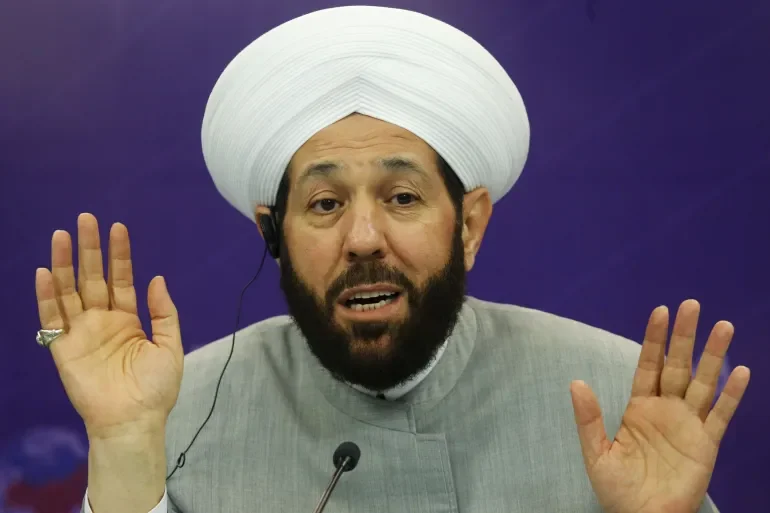
Ahmad Hassoun, the former religious figure dubbed the 'barrel bomb mufti' by critics, has been handed a life sentence following a trial in Syria.
He faced a range of charges, including inciting violence and providing religious legitimacy to the government of Bashar al-Assad during the country's long civil war.
The nickname was used by opponents of the former government, who accused senior establishment figures of lending moral cover to its military campaign against opposition-held areas.
The verdict is being seen as part of a wider effort by Syria's new authorities to hold former officials and their allies to account for abuses committed during the conflict.
“Nothing brings back the people we lost, but it matters that someone has had to answer in a courtroom.”
Human rights groups have welcomed moves towards accountability but have also called for trials to meet international standards of fairness and transparency.
Syria's civil war, which began in 2011, left hundreds of thousands of people dead and displaced millions, both within the country and across neighbouring states and Europe.
Families of victims gathered outside the court as the sentence was announced, with some saying the decision offered a measure of recognition after years of loss.
It was not immediately clear whether the defence would seek to appeal the ruling.
Under the former government, senior religious officials were appointed by the state and were expected to support its positions publicly. Critics say statements made from official pulpits helped to justify the bombardment of civilian areas, while others have argued that clerics had little room to act independently. The trial was followed closely inside Syria and by the large diaspora abroad.
Further trials of former officials are expected in the months ahead as the transitional justice process continues.