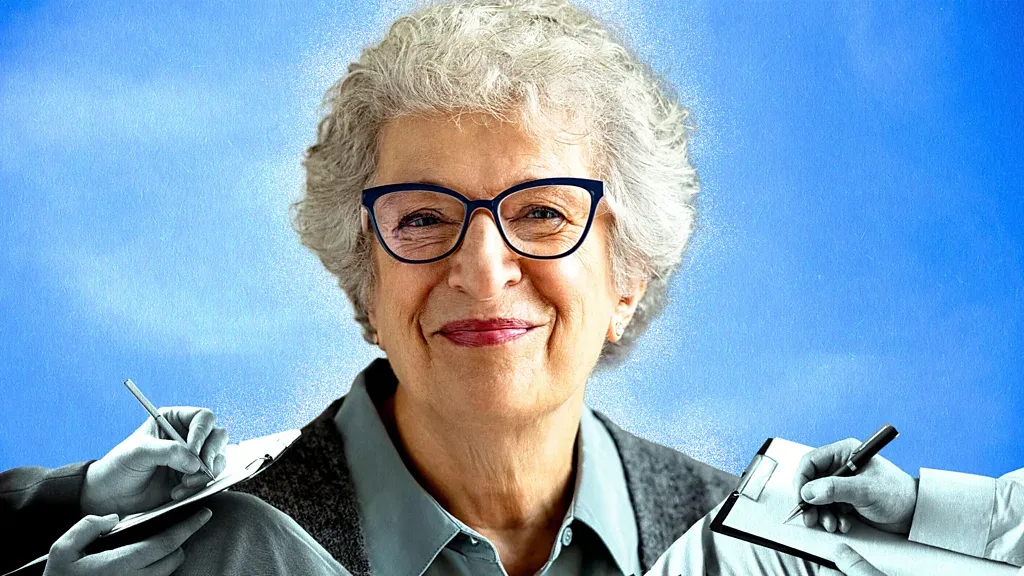
Older people may be particularly likely to benefit from psychological support, experts say, challenging the common assumption that therapy belongs to the young.
Later life can bring significant changes, including retirement, bereavement, health problems and shifts in family relationships, all of which can take an emotional toll.
Yet older adults are often less likely to be referred for talking therapies, with symptoms of anxiety or depression sometimes dismissed as a normal part of ageing.
“Age is no barrier to change; in many ways, older clients bring a perspective that makes therapy especially rewarding.”
Research suggests that older people tend to engage well with therapy and can achieve outcomes as good as, or better than, younger groups.
“People sometimes arrive believing it is too late to change, and then discover they have more capacity for growth than they ever imagined,” said one clinical psychologist.
Many who try therapy later in life describe feeling lighter and more open after working through long-held experiences they had never discussed.
Stigma remains a barrier for some, particularly among generations who grew up when mental health was rarely spoken about openly.
Health professionals are encouraging GPs and families to be alert to signs of low mood in older relatives and to raise the option of support.
Some services have begun tailoring their approach to older clients, for example by adapting sessions for people with hearing difficulties or memory problems, and by addressing themes such as loss, purpose and identity that often arise in later life.
Experts say psychological therapy can be offered in person, over the phone or online, making it more accessible for people with limited mobility.