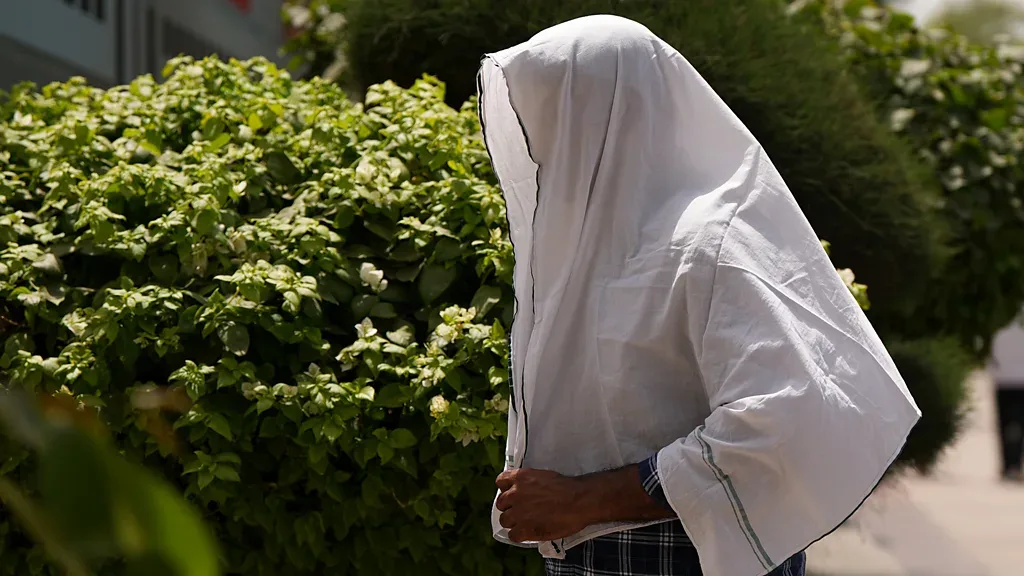
As extreme heatwaves become more frequent with climate change, the clothing people wear is an important part of how they stay cool.
Experts say the key is helping the body release heat, mainly through the evaporation of sweat from the skin.
Loose-fitting garments allow air to circulate, while tight clothing can trap heat and moisture against the body.
“The best clothing in a heatwave works with your body's own cooling system rather than against it.”
Natural fibres such as cotton and linen are breathable, with linen particularly valued for drying quickly; cotton absorbs sweat well but can stay damp.
Many modern synthetic sports fabrics are designed to wick moisture away from the skin and dry rapidly, which can help during exercise.
Colour also matters. Lighter shades reflect more sunlight, although some research suggests loose dark clothing can perform well in certain conditions.
Covering up protects skin from direct sun, which helps explain why traditional dress in many hot regions features long, flowing garments.
Researchers have also been developing new textiles designed to reflect heat or release it more efficiently, some of which are already appearing in outdoor and workwear. Experts say, however, that simple choices about fit and fabric still make the biggest difference for most people.
Wide-brimmed hats and sunglasses offer additional protection, reducing heat on the head and face.
Health authorities also advise people to stay hydrated, avoid the hottest part of the day and check on vulnerable friends, relatives and neighbours. Those who work outdoors are advised to take regular breaks in the shade.